
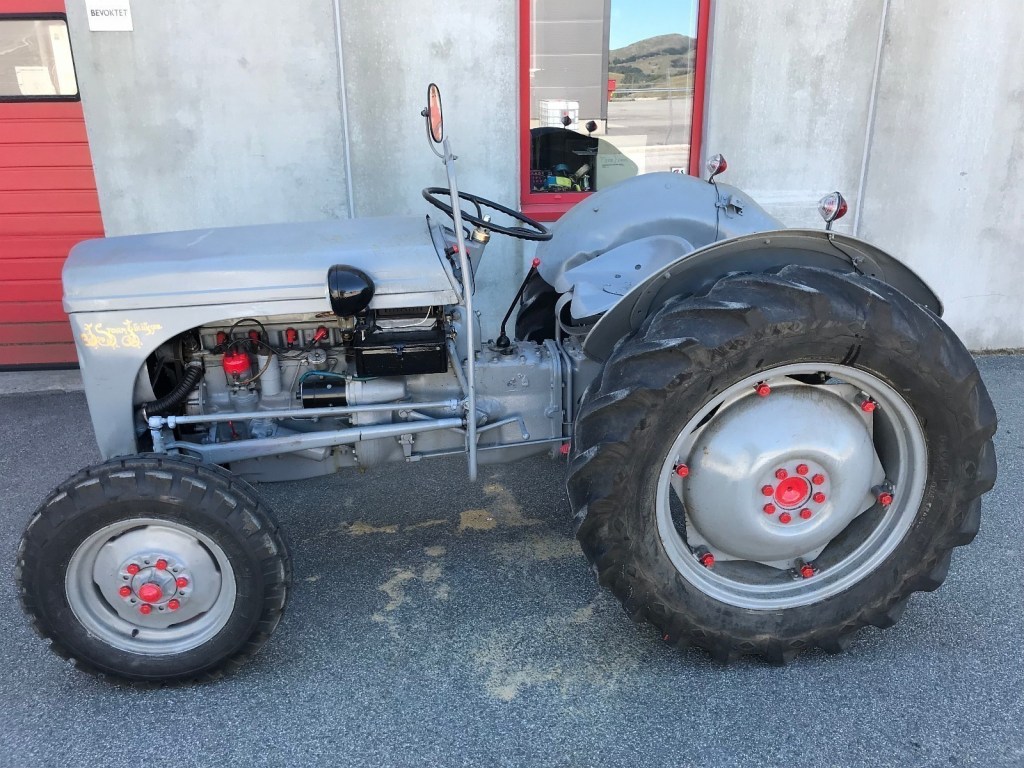
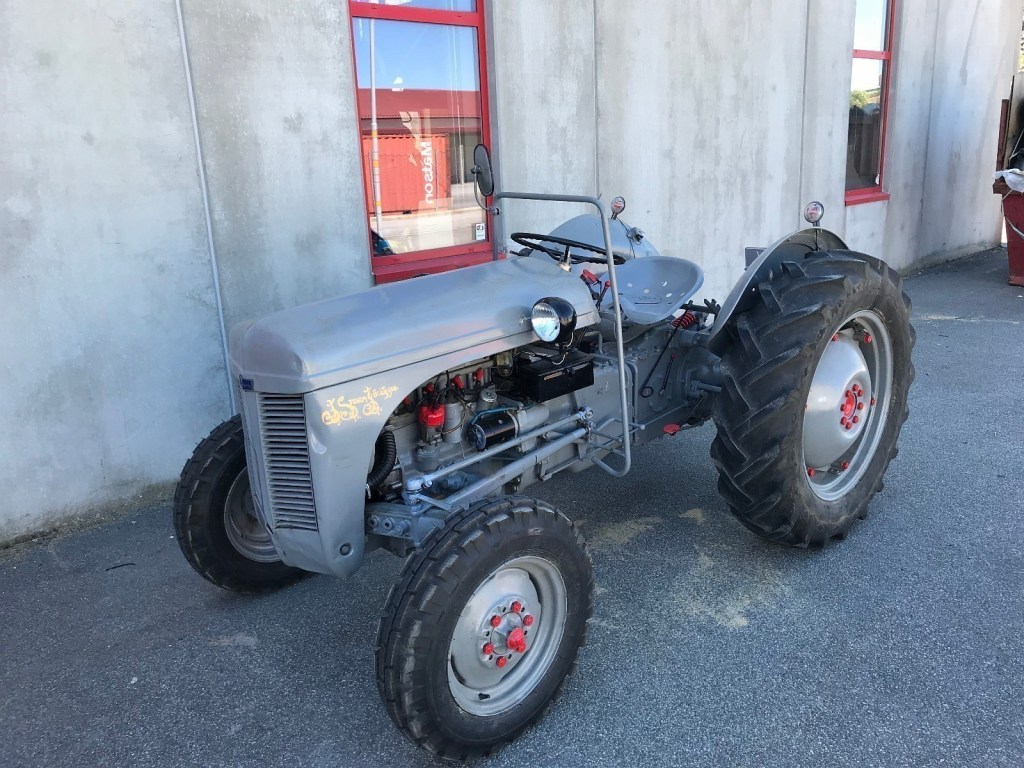
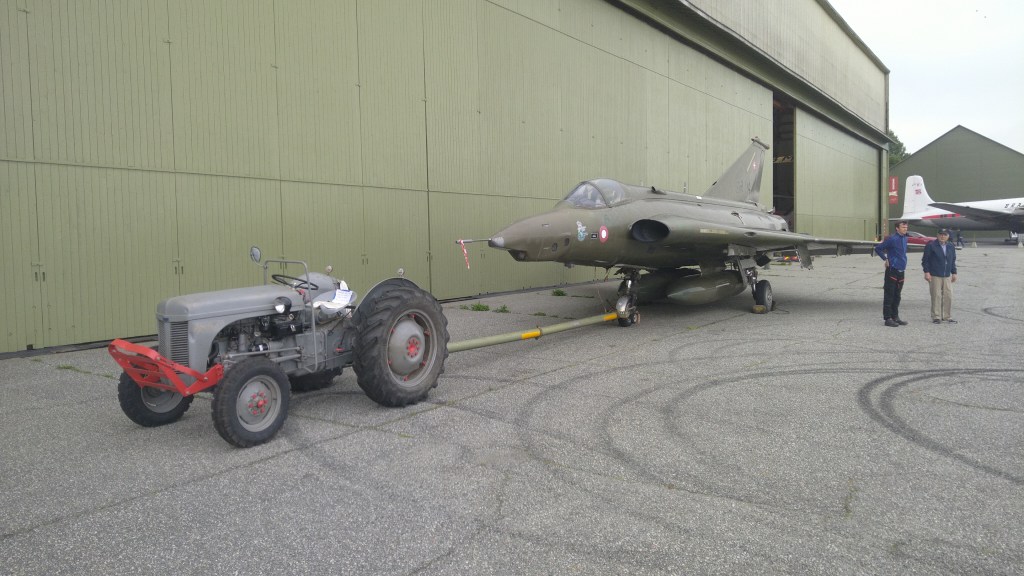
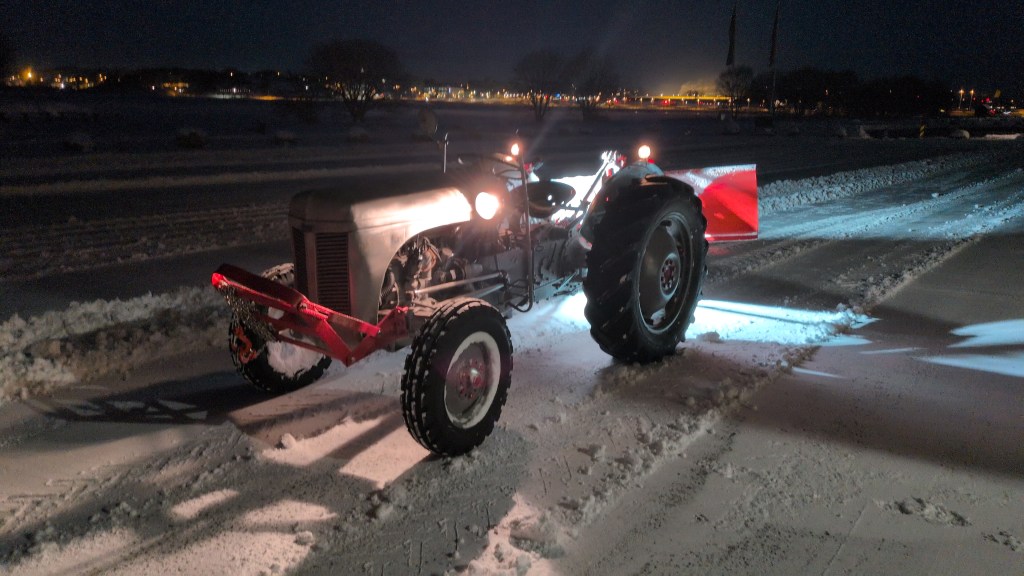
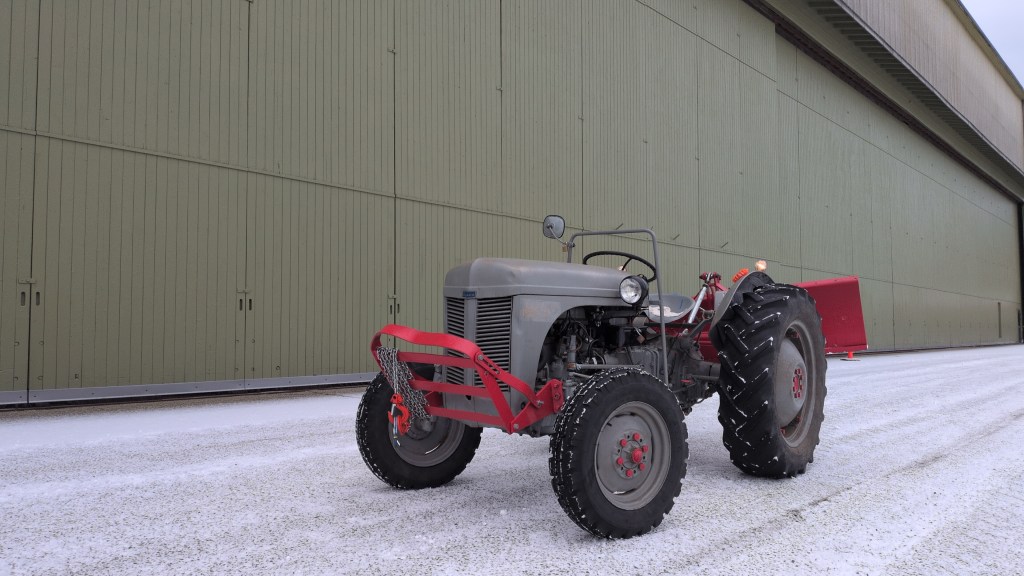
My Fergie is a 1955 produced TEA-20. It has previously been owned by a Norwegian artist named Ivan Storm Juliussen, and is signed on the hood by him. I got it back in November of 2024, and it was my first ever tractor, and has been there on good and (some self inflicted) bad days since then.
First impressions (Nov 24)
I bought my TEA-20 back in november of 2024. According to the seller, it was supposed to be in fully working condition, however it was not possible to test it when I was there looking at it as it was missing a starter. But on the day I was gonna pick it up, they had mounted a new one and claimed it would start right up with a fully charged battery. It didn’t start, but I still managed to get it onto a car-trailer I had rented, so home I went. Underneath are some pictures from the seller before I bought it.
First problems (Winter 24)
As mentioned, the first problem was getting it started. Over the course of November through December I worked on diagnosing what hindered the tractor in starting. I got new batteries, one with a start-power of 800A, to no luck. I replaced the main wires to the starter-motor, as well as replacing the start-rele. I cleaned the carburetor, replaced some of its parts. Still it didn’t start.
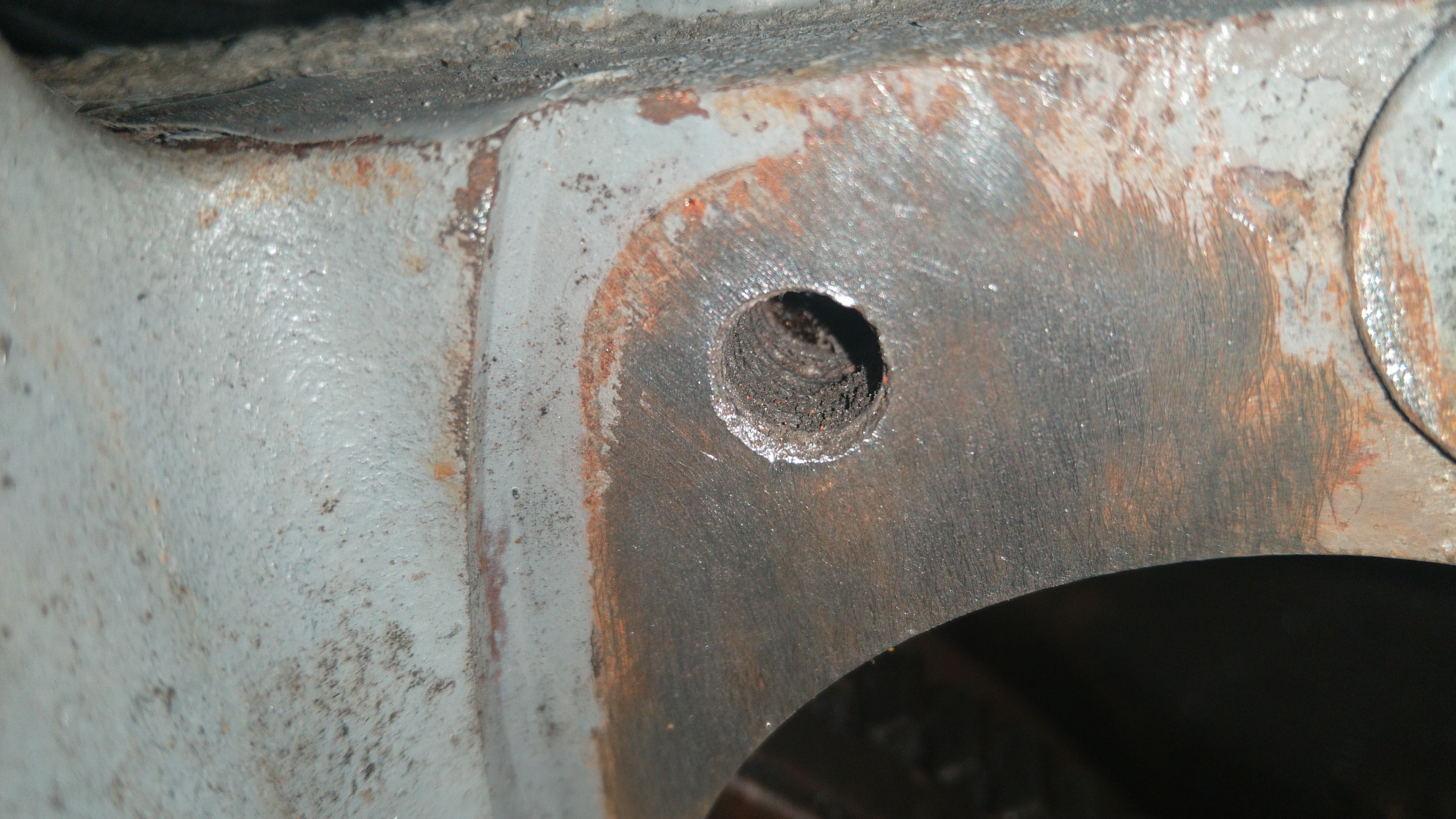

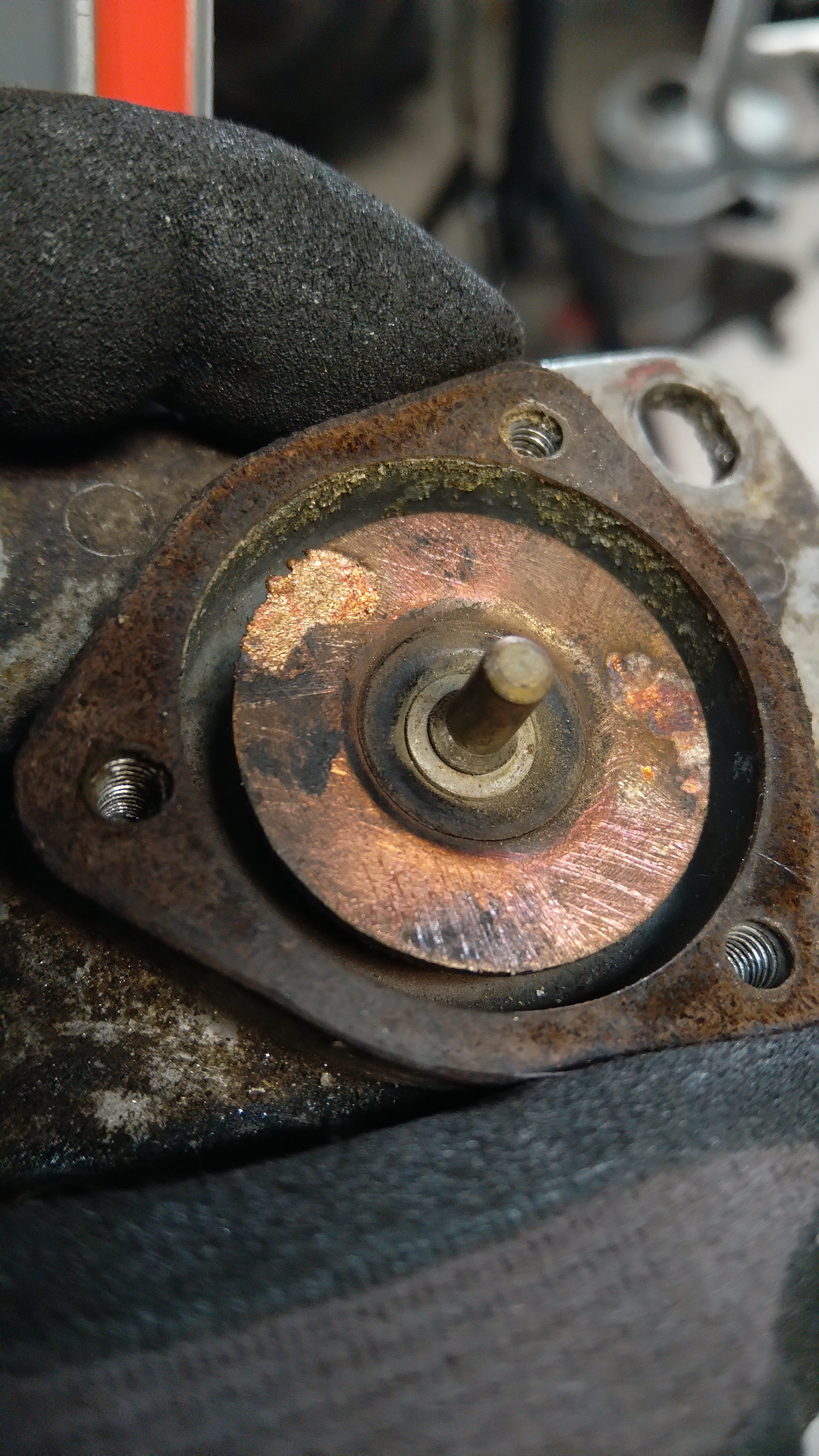
In early January I finally managed to get it started. The “brand new” starter-motor the dealer had mounted was the problem-child. I’m still to this day unsure if it was the starter itself or the way it was mounted. You see, on these old tractors from England they use an older type of bolts called Whitworth, quite similar and easily mistaken for imperial bolts. Well, they had managed to mount the starter-motor with metric bolts… . So I got a new motor and a heli-coil kit, fixed the threading in the chassis, and properly mounted it with metric bolts. Over the winter is stayed outside as a monument underneath the snow. With it finally starting, I got it on the road and drove it to its current residence; a local aircraft museum.

First months at the museum (Spring and summer 25)
Some of the problems it first had that multiple people liked to point out was the fact that it still was dripping fuel. Even though I had cleaned and replaced some parts of the carburetor, it was still leaky. This was luckily a somewhat easy fix. I replaced the fuel filter (which has a shutoff valve) and replaced the fuel-line with a hose and ball-valve. It would also work as a “kill switch” making it somewhat more complicated for someone to steal it. This fix seems to have worked fairly well for now.
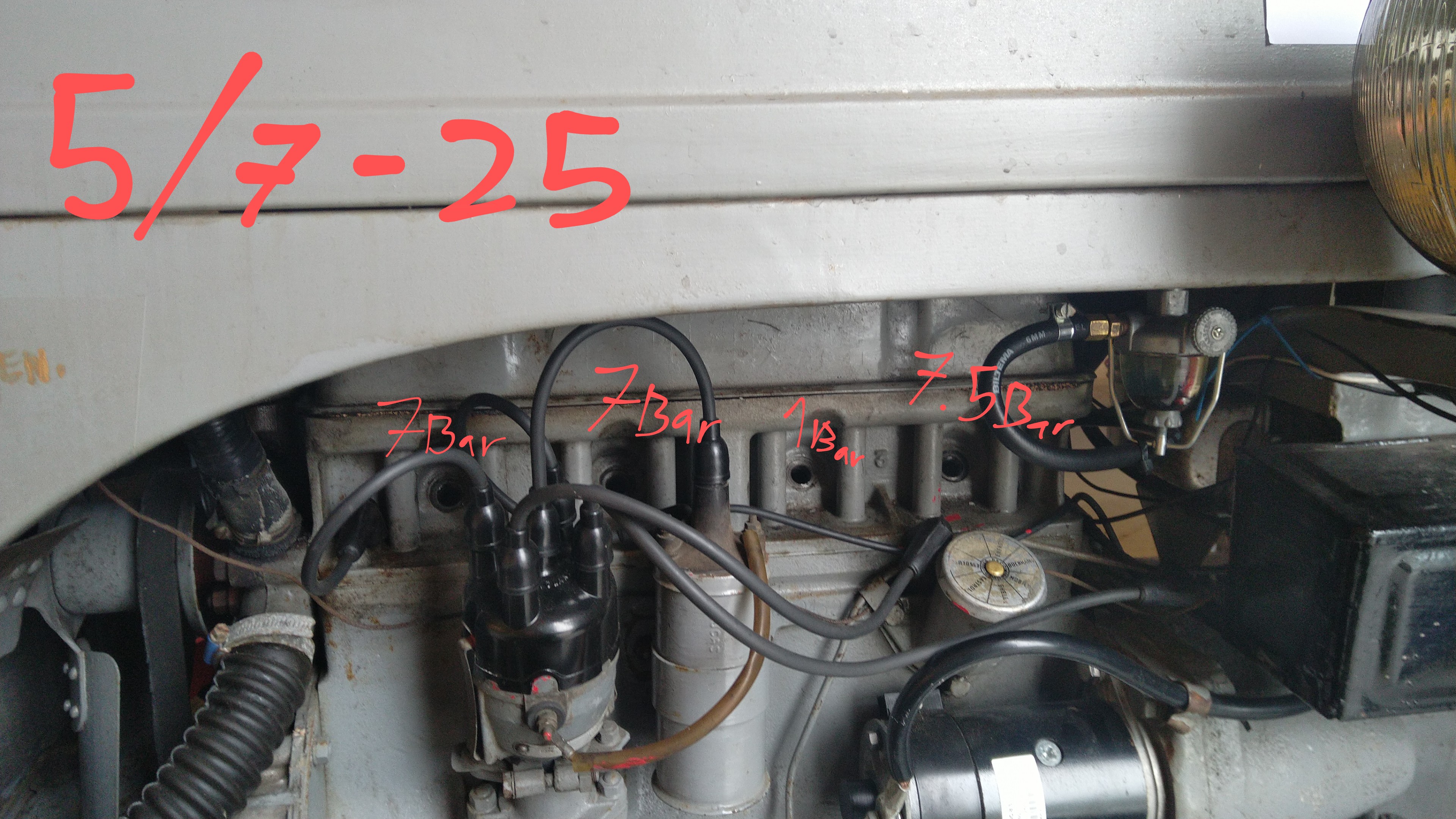
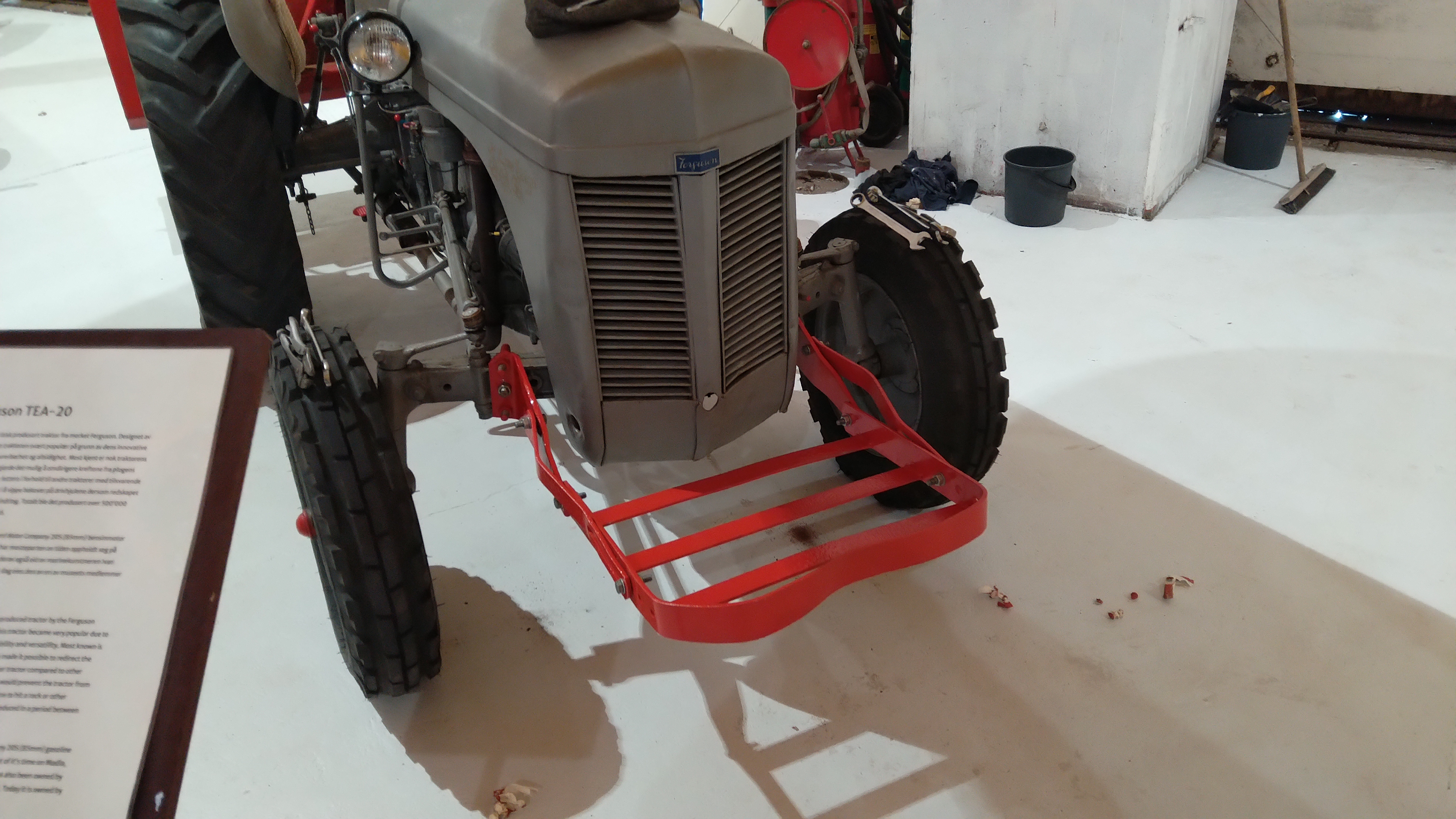
Somebody at the museum also mentioned it sounded like the Fergie was running on 3/4 sylinders. I though that might be as I heard it pop and bang sometimes from the exhaust. As, we’ll call him Tony, was “diagnosing” everything wrong with my tractor, he managed to break one of the ignition-cables, so I had replace that, and did the whole distributor cap at the same time. With what Tony had said in the back of my head, I decided to try doing a compression-test. It was quite clear it wasn’t running as it should when sylinder 3 showed basically no compression. But the tractor still ran on its 3 other sylinders, so I didn’t bother digging deeper (yet). During spring I also managed to quire an old Fordson load-frame. It seemed to fit the Fergie, so I decided to fix it up but sanding it all down, priming and painting it red. There wasn’t much functional benefit to having it, but I always wanted one as my grandma told me stories of how she and her siblings used to ride on one when they helped at a local farm.


Lots of maintenance (Winter 25)
The fact it was running on 3/4 sylinders was bugging me more and more, so I finally decided to do something about it. I figured I would also replace most of the electrical wiring, dc-generator and charge-rele as it seemed from the times I used it the battery just became weaker and weaker before I charged it back up. I started diagnosing why it didn’t run on sylinder 3. The easiest thing would be to do a timing-check, and make sure all of the intake/exhaust valves were opening and closing properly. Amazingly the valves on s3 didn’t fully close. Easy fix right? Just adjust it according to the manual! Would have been easy had it not been for the fact that the adjustment screw was all seized up and didn’t want to move, and then came Tony with his great idea and said “let me show you” before breaking the screw in half. Awesome. Long story short; I managed to find someone on Finn.no that sold the whole rocker-arm assembly, so I bought it and replaced the broken screw with a used but working one. With that fixed, I focused on finishing the electrical wiring so I could fire it up again.

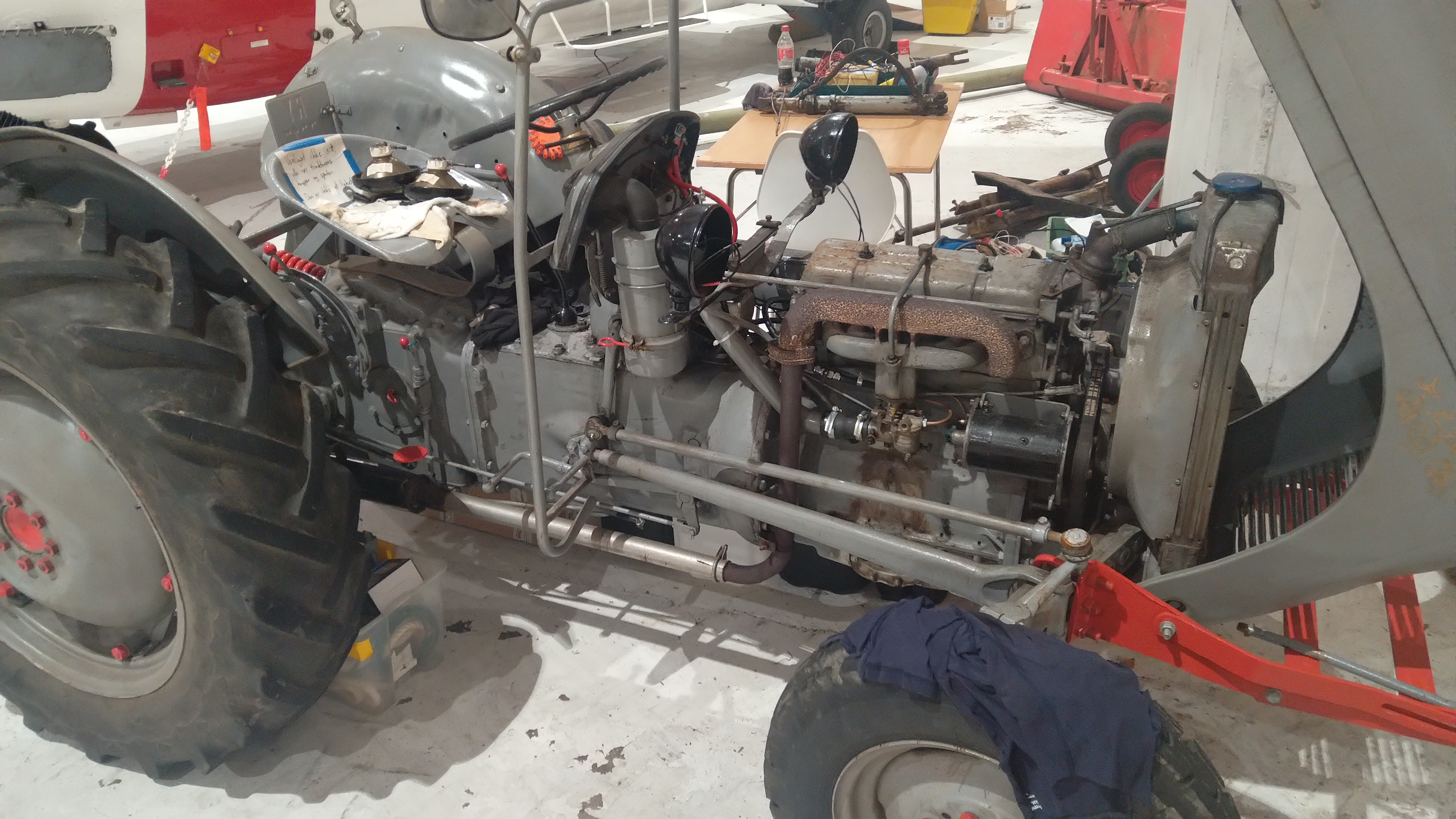
As mentioned, I replaced the generator, rele and most of the electrical wiring to make sure it was fully operational again. As with most dc-generators I had to polerise it by putting charge on some of the pins. The charging-rele was probably the most frustrating to swap as on my tractor it’s located under the battery’s placement. I fixed the light-switch and network so it was up to my standard, and actually put in an amperemeter that was wired wrong from when I bought it. When I was on it, I also installed a new led light on one of the fenders to use as a working light in the evenings. Now it was finally in a way I could understand what wire did what, and it was finally charging the battery again when it was running. I was done just in time for some of the first snow to fall, and spent a few hours living out my dream of plowing snow with a tractor! Before the new year I also managed to make some bars to lift the hook on the tractor for an upcoming project.


New look (Spring 26)
After having gotten the tractor working properly, I started searching for new stuff for it. I came across a free set of brackets, and later a full set pluss frontloader for the Fergie. You can read more about it on the post “MIL Loader”. Mounting the frontloader certaily gave it a new look, and expanded it’s usability. When I first was doing some small maintenance, I also tried fixing the steering-column. Fearing it was something wrong in its gear-mechanism, I was thinking the worst, but luckily the problem was fixed with one washer. The problem had been a deadzone in the steering wheel where the wheel moved, but tractor didn’t turn. Taking off the wheel I saw the half-moon that was supposed to keep it in place had been so loose it had deformed the hole it was in. Trying to figure out how I should fix it, I also put on a washer under the bolt when putting it back together. However, the shaft its mounted on is tapered, so torquing the nut made the wheel stuck on, and it fixed the deadzone. I feared the worst, but luckily nothing more than a washer fixed the problem.


Leave a comment